


Chapter & Verse: Leviticus 23:9-21 - Reform Magazine
Rabbi Jonathan Wittenberg explains the counting of the weeks
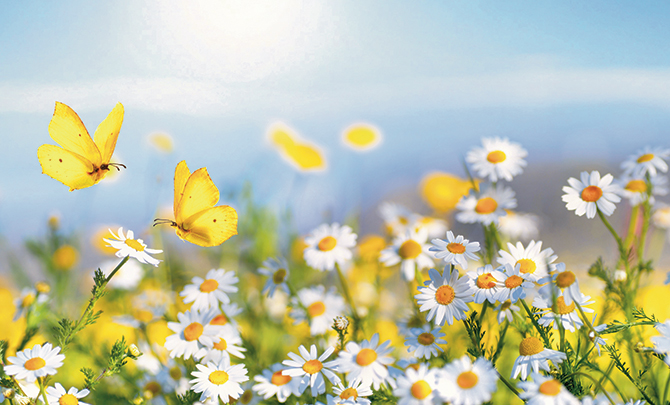
In Big Wood in north London, as I write, the bluebells are out, the wood anemones are flowering beneath the ancient oaks and the garlic has emerged in profusion. In the streets, cherry trees blossom. On a dawn chorus walk, we heard as many as 20 species of birds greeting the sunrise. That night, as daylight faded, we celebrated the Passover, which the Bible describes as Chag Ha’Aviv, the Festival of Spring.
Judaism is a cycle of celebrations of the earth. Tu Bishevat, the New Year of the Trees, comes in mid-winter; Pesach, the Passover, in early spring; and Shavuot, Pentecost, in late spring, heralding the offering of the first fruits of the orchards in Jerusalem. Rosh Hashanah, the Birthday of the World, falls in early autumn, closely followed by Chag Ha’Asif, Tabernacles, celebrating the harvest. Throughout the period described in the Hebrew Bible, and over the centuries when the rabbinical works of the Mishnah (edited c. 200ce) and the Talmud (edited c. 500ce) were produced, Jews were mostly subsistence farmers. They knew their flora and fauna; they appreciated the needs of their domestic animals, the blessings of adequate rainfall, and the disasters of flooding and drought. They understood the words of Ecclesiastes, ‘(Even) a king is subject to the field.’…
Jonathan Wittenberg is Senior Rabbi of Masorti Judaism and Founder of EcoJudaism
___
This is an extract from an article published in the Issue 4 – 2025 edition of Reform


Submit a Comment